



FEATURED SERVICES

Connected California Digital Navigators
Get connected with kind and skilled experts to help you get connected to the internet and online resources.

Washington Post Online
Unlimited free access to washingtonpost.com, the digital version of The Washington Post.

HeritageHub
Explore your family history with this collection of U.S. obituaries and death notices for in-depth genealogical research from 1704 – today.
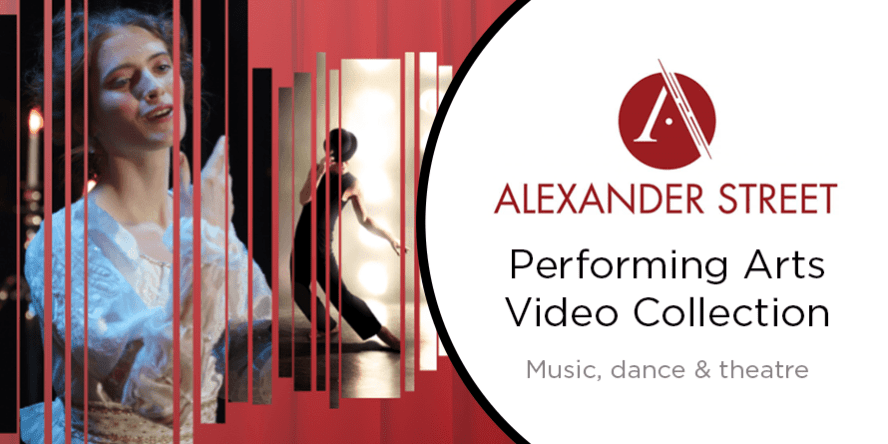
Performing Arts Video Collection
Watch videos from this diverse collection of Music, Dance and Theatre content, covering hundreds of genres.
Digital Library





New Titles


Kids & Teens
What Does Black History Month Mean?
In Black History Month, learn about how strength & struggle have given a blueprint to strive & succeed - to be celebrated all year.

Most Popular Titles in Marin 2023
See what library patrons in Marin County were reading and watching in 2023. Are there any titles you missed?
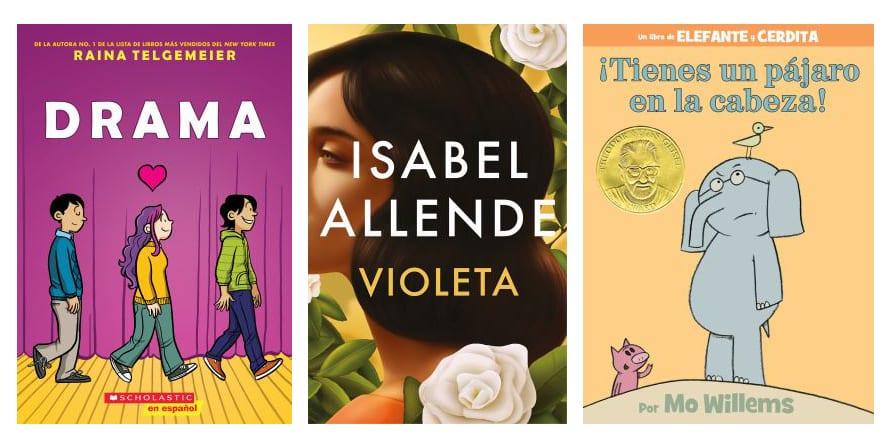
Los Títulos en Español Más Populares de 2023
¿Se pregunta cuáles fueron los títulos de ficción en español más populares en nuestra comunidad este año?
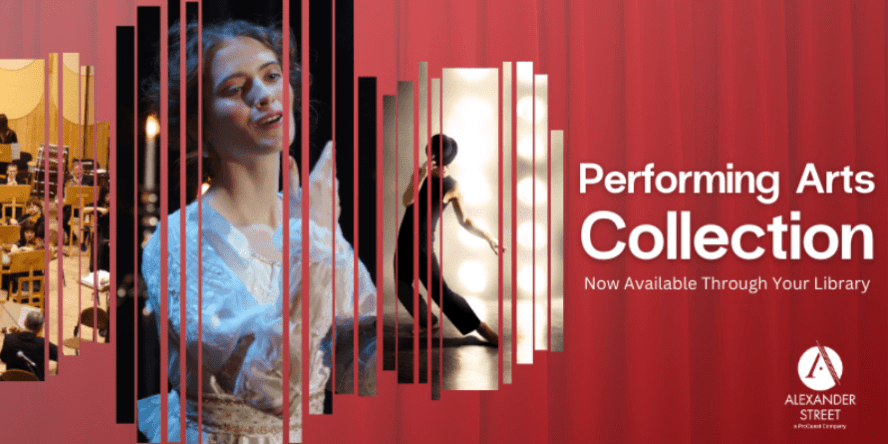
Presenting the Alexander Street Performing Arts Collection
Get free access to music, dance and theatre performances and instructional material.
Adults
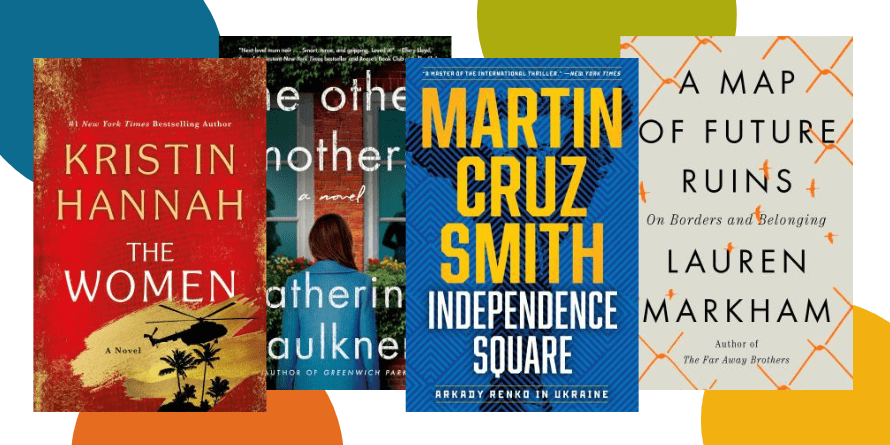
Neshama's Choices for April 22
Titles reviewed this week: The Women, The Other Mothers, Independence Square, A Map of Future Ruins.
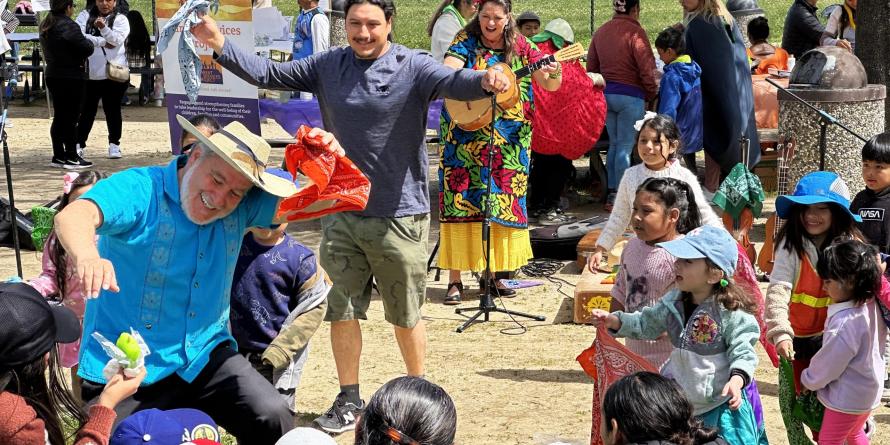
La Biblioteca Celebra Día y Primaveras
La Biblioteca ha hecho planes especiales para celebrar el Día de los Niños/Día de los Libros y Primaveras,
Library Celebrates Día and Primaveras
The Library celebrates Día de los Niños/Día de los Libros, or Children’s Day/Book Day and Primaveras. All the events are free.

April is Jazz Appreciation Month!
Celebrate Jazz Appreciation Month in April by checking out music, books, and films at the library.
En español
LOTE4Kids Libros Ilustrados Digitales Con Audio
Lea mientras escucha a estos libros ilustrados digitales, disponibles en más de 65 idiomas.
La Biblioteca Celebra Día y Primaveras
La Biblioteca ha hecho planes especiales para celebrar el Día de los Niños/Día de los Libros y Primaveras,
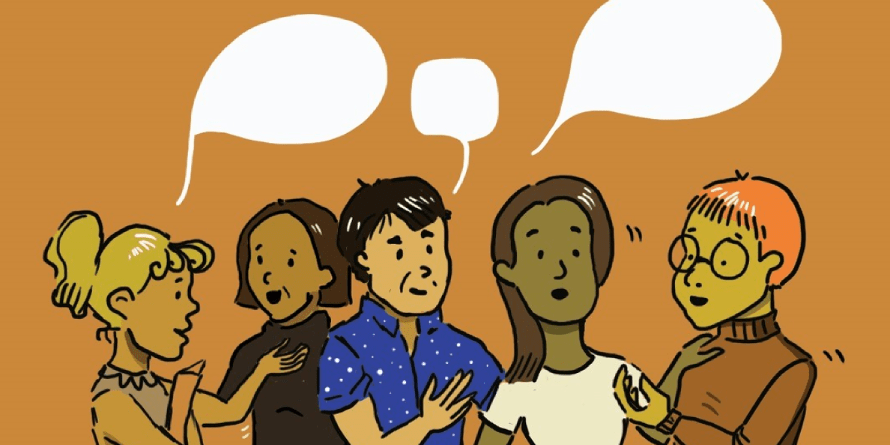
El Chit Chat Club/ English Conversation Group
Todos los Miércoles por Zoom y el último Miércoles del mes será en persona./ Wednesdays on Zoom and last Wednesdays of the month in person.
Los Títulos en Español Más Populares de 2023
¿Se pregunta cuáles fueron los títulos de ficción en español más populares en nuestra comunidad este año?
Browse

Get a Library Card
Get access to all of the great resources that the library has to offer!
